
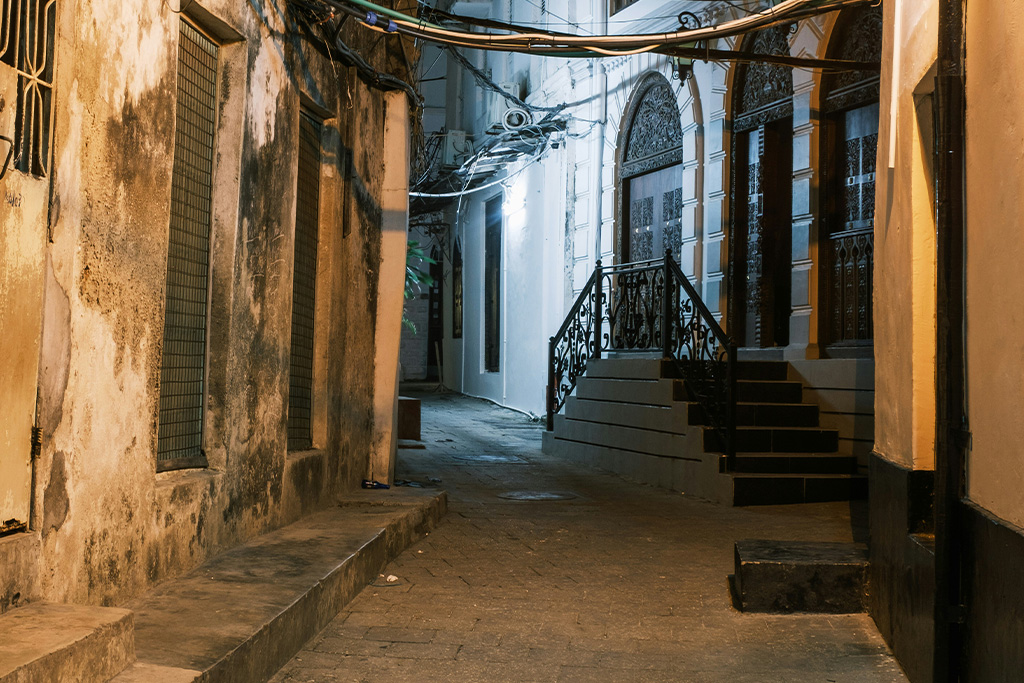
Stone Town has been a significant cultural hub since the 19th century, when it became a major center for the spice and slave trades, and its current architecture mostly dates from this period. The oldest structure, the Old Fort, was built in 1699 by the Omanis, but the majority of the city's stone buildings were constructed during the 19th century to replace an earlier village.
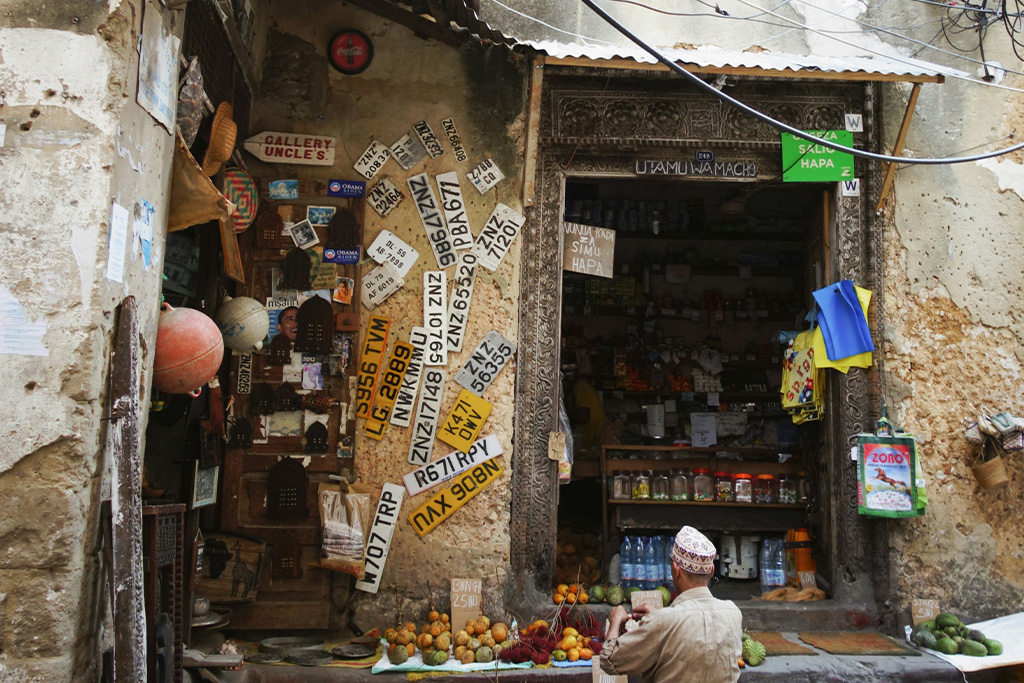
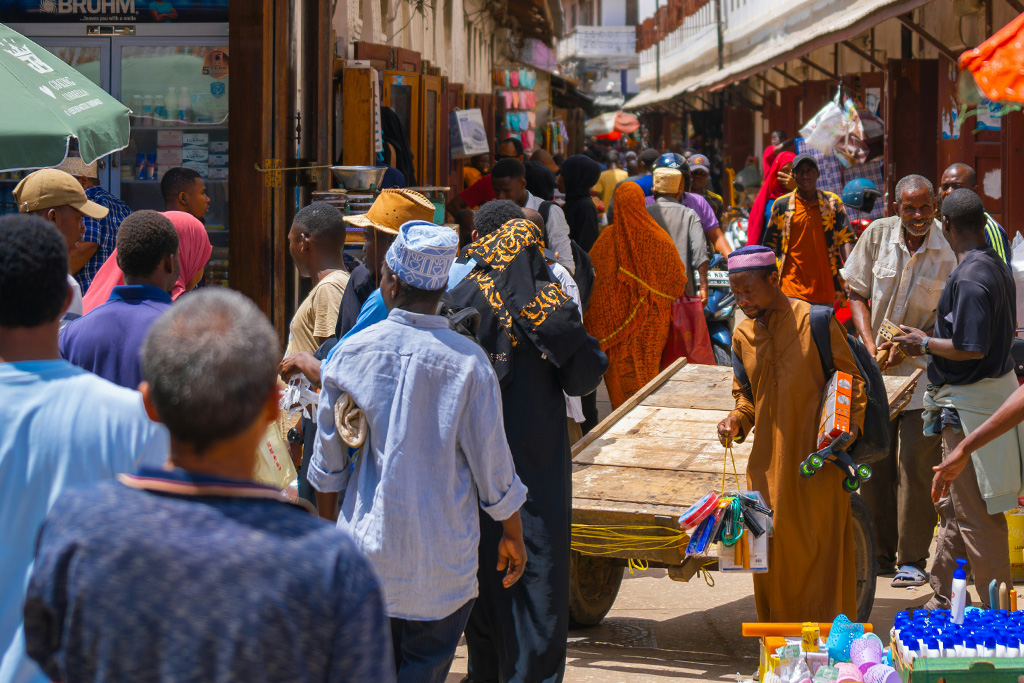
The Stone Town of Zanzibar is a fine example of the Swahili coastal trading towns of East Africa. It retains its urban fabric and townscape virtually intact and contains many fine buildings that reflect its particular culture, which has brought together and homogenized disparate elements of the cultures of Africa, the Arab region, India, and Europe over more than a millennium.
Nungwi is a village at the northern end of the Tanzanian island of Unguja, familiarly called Zanzibar. It's known for the wide, palm-lined Nungwi Beach and a nearby boat-building yard for the production of traditional dhows. The Mnarani Marine Turtle Conservation Pond shelters green and hawksbill sea turtles in a tidal lagoon. Off the coast, coral reefs teeming with colorful fish include Hunga and Leven Bank.
Nungwi is the second-largest settlement, after Stone Town on Zanzibar's main island Unguja. Once a hub for dhow building, Nungwi straddles the line between modernity and tradition. Although the tourism industry has significantly developed the area, you can still watch the dhow boats cast off for a night of deep-sea fishing.
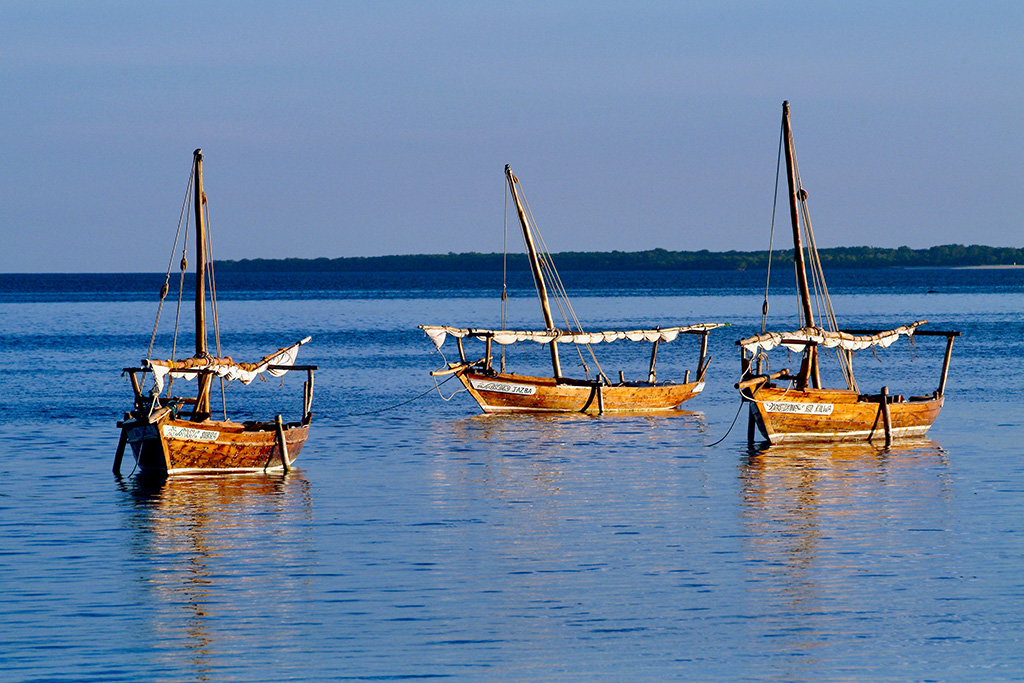
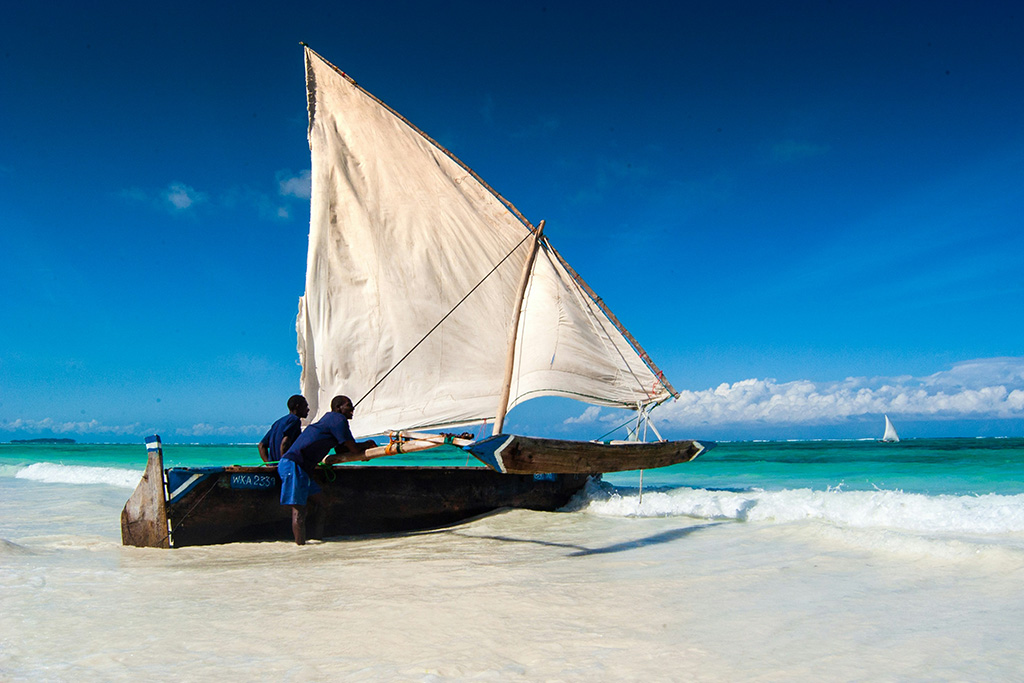
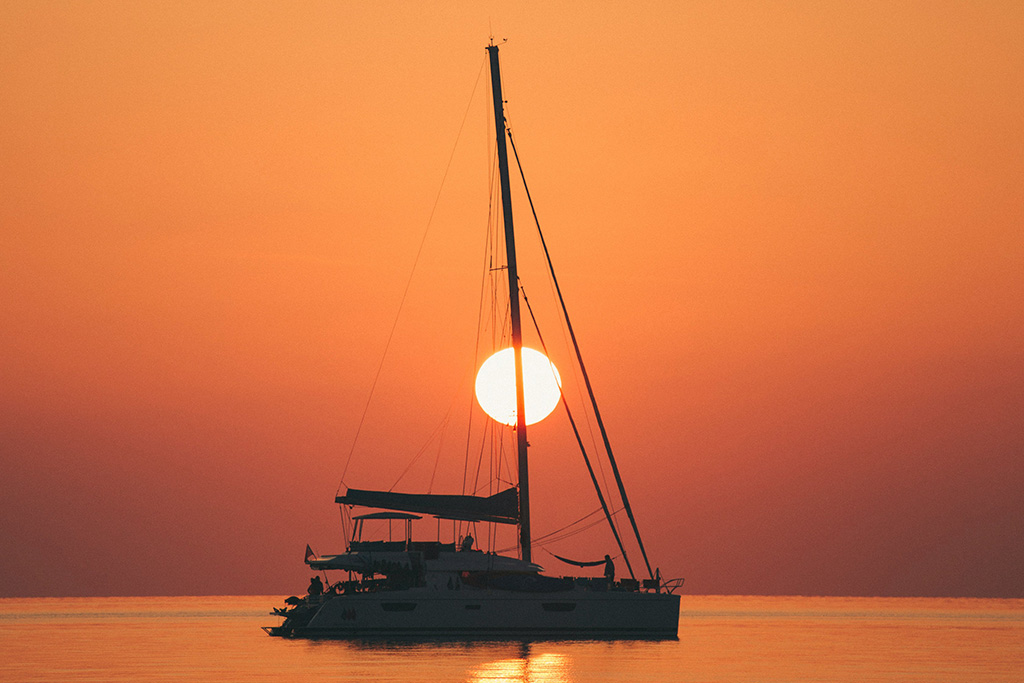
Nungwi sits at the northern tip of Zanzibar and is historically known as a fishing village and dhow-building hub. Over time, it became a popular tourist destination thanks to its pristine beaches and vibrant cultural life.
Nungwi Beach is about 59 kilometers away from Stone Town, the capital city of Zanzibar. The drive usually takes around 1 hour and 45 minutes. Public transport options include the local “dala-dala,” as well as taxi services and car rentals that are widely available in the region.